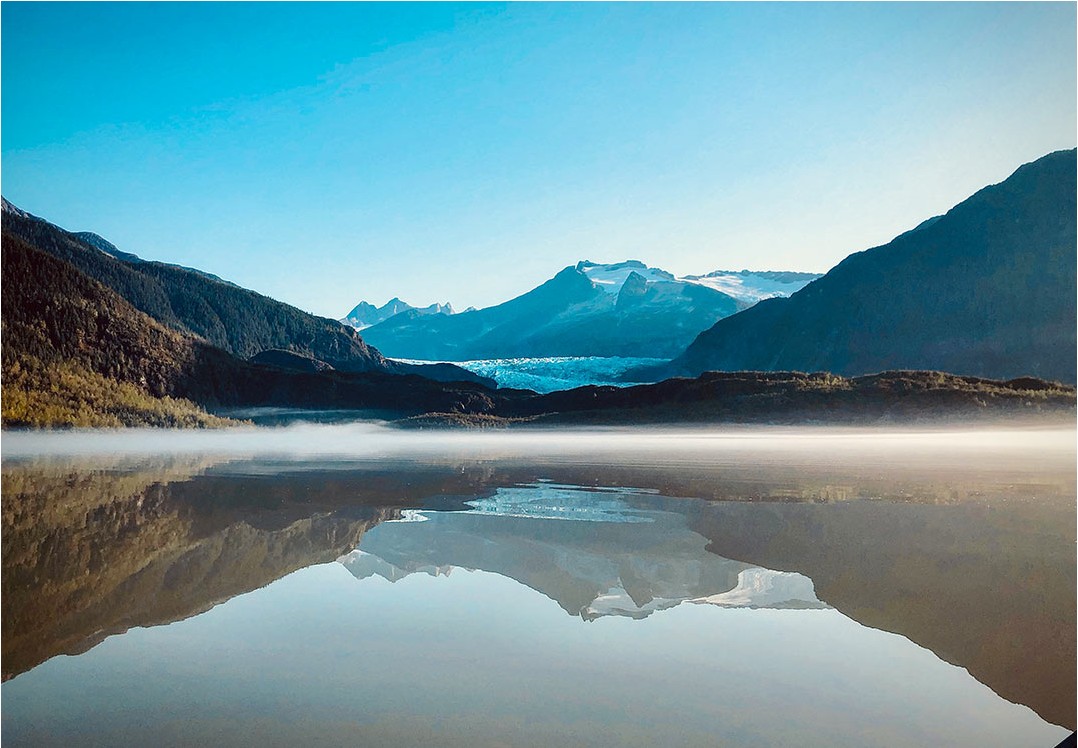
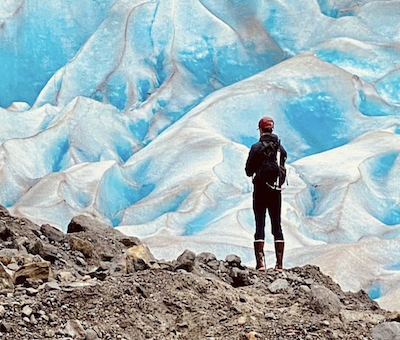
 Mendenhall Glacier
 Whale Watching
 Dog Sledding
 Salmon Bake
 Helicopter
 Kid-Friendly
 Kayak
Kayak Adventure
 Train
Train Yukon
Yukon Rafting
 Misty Fjords National Monument
 Boat
Boat Fishing
 Bear & Wildlife
 Animal & Wildlife
Last Updated:
Packing for Alaska is part of the adventure, but you don't need to overthink it. During cruise season, you could see snow-covered glaciers and icefields one day and be walking through a lush temperate rainforest the next. The weather can vary quite a bit, but it's also much milder than many people expect.
You don't need to pack like you're heading into the Arctic. A good mix of layers, rain gear, and comfortable shoes will go a long way. Here's what you really need to bring for an Alaska cruise.
Layered Clothing
You’ll be heading to Alaska sometime between April and October, with temperatures ranging from the 40’s during a chilly evening to the mid 70’s on a lucky day. It’s wise to layer up with tees, long sleeves, and pants so you’re prepared for anything. For most people, a base layer is unnecessary, but if you’re from a warm climate or sensitive to cold, you may want to pack one. Snow pants are not recommended.
Our Layered Clothing Recommendations:
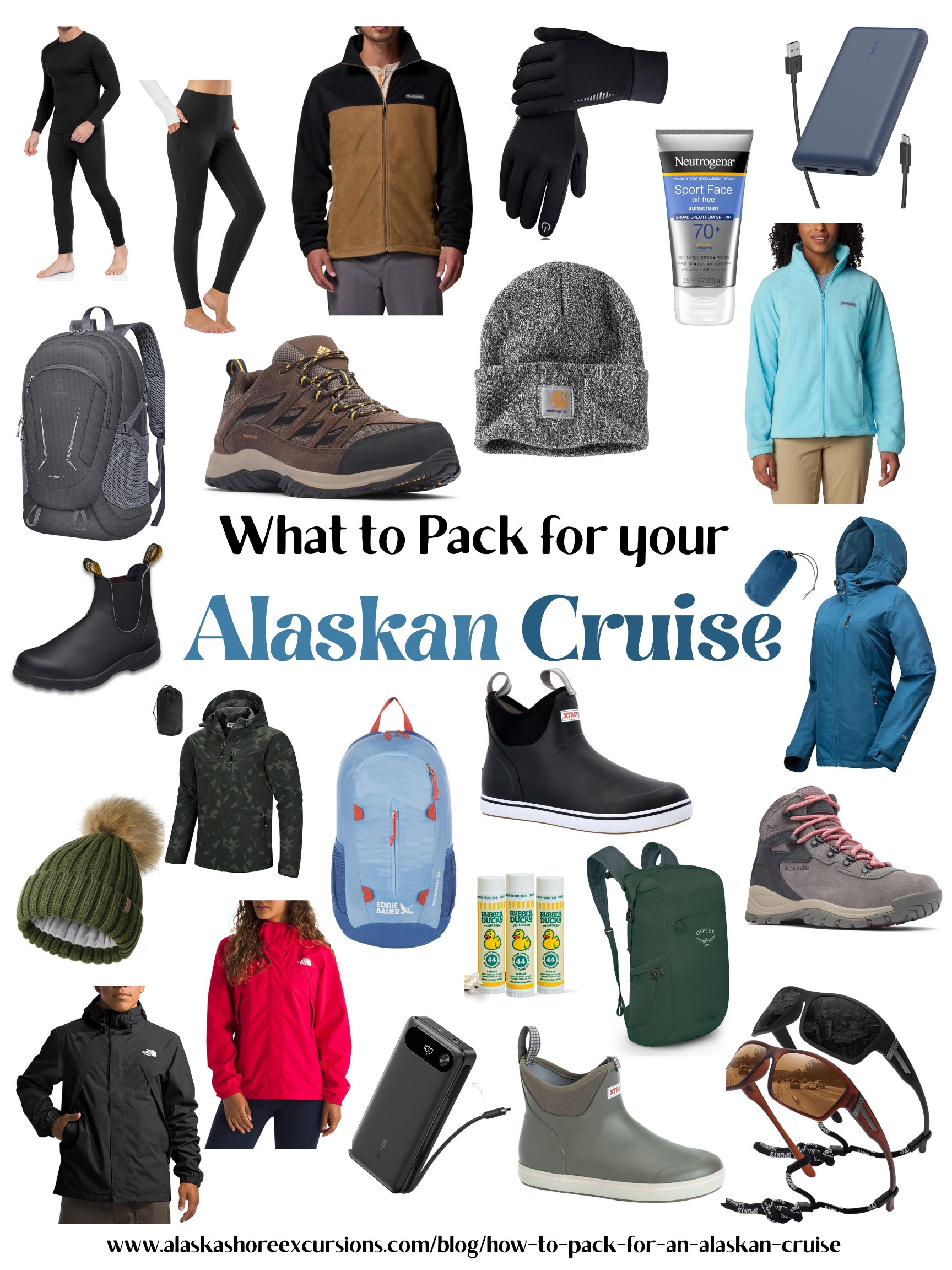
Base Layer: Thermal Layer for Men and for Women
Mid Layer: Columbia Full Zip Fleece Layer for Men and for Women
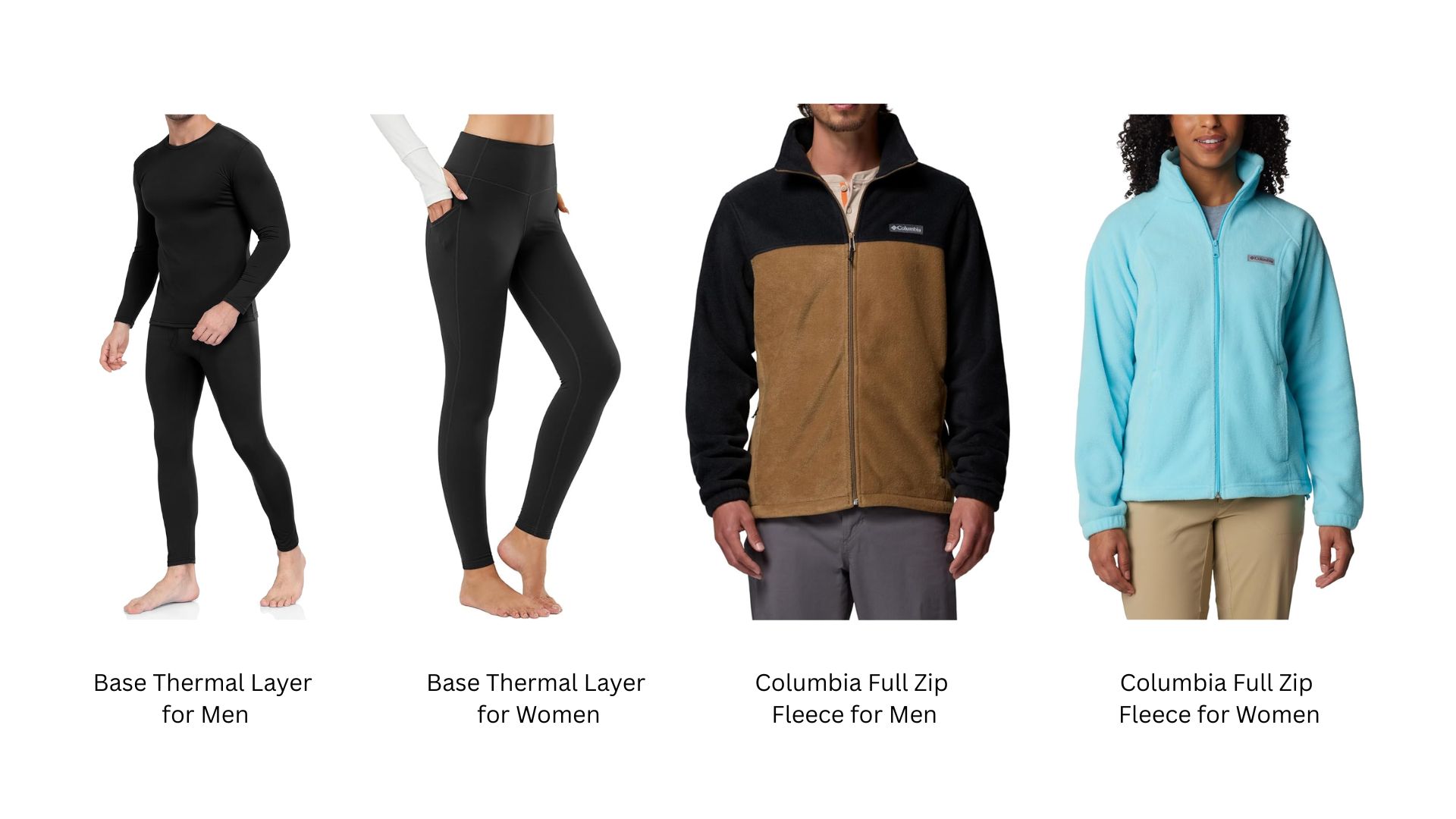
Left to right: Base Thermal Layer for Men, Base Thermal Layer for Women, Columbia Full Zip Fleece for Men, Columbia Full Zip Fleece for Women
Rain Coat
Plan for rain and pack a waterproof jacket. With much of Southeast Alaska centered in a temperate rainforest, rain is expected most days. We recommend investing in a waterproof jacket or raincoat. Lightweight, packable raincoats are great for layering and can protect against cool winds.
Some excursions include the use of high-quality rain gear—listed in the ‘Inclusions’ section of each tour page. This is a fantastic service for adventure and fishing tours, where you may get dirty or be exposed to the elements for extended periods. Using the provided rain gear during your tour is not a replacement for packing your own raincoat, but it’s a helpful service.
Our Waterproof Jacket Recommendations:
Top Picks: The North Face Rain Jacket for Men and for Women
Value Picks: Men’s Packable Waterproof Rain Jacket and Women’s Packable Waterproof Rain Jacket
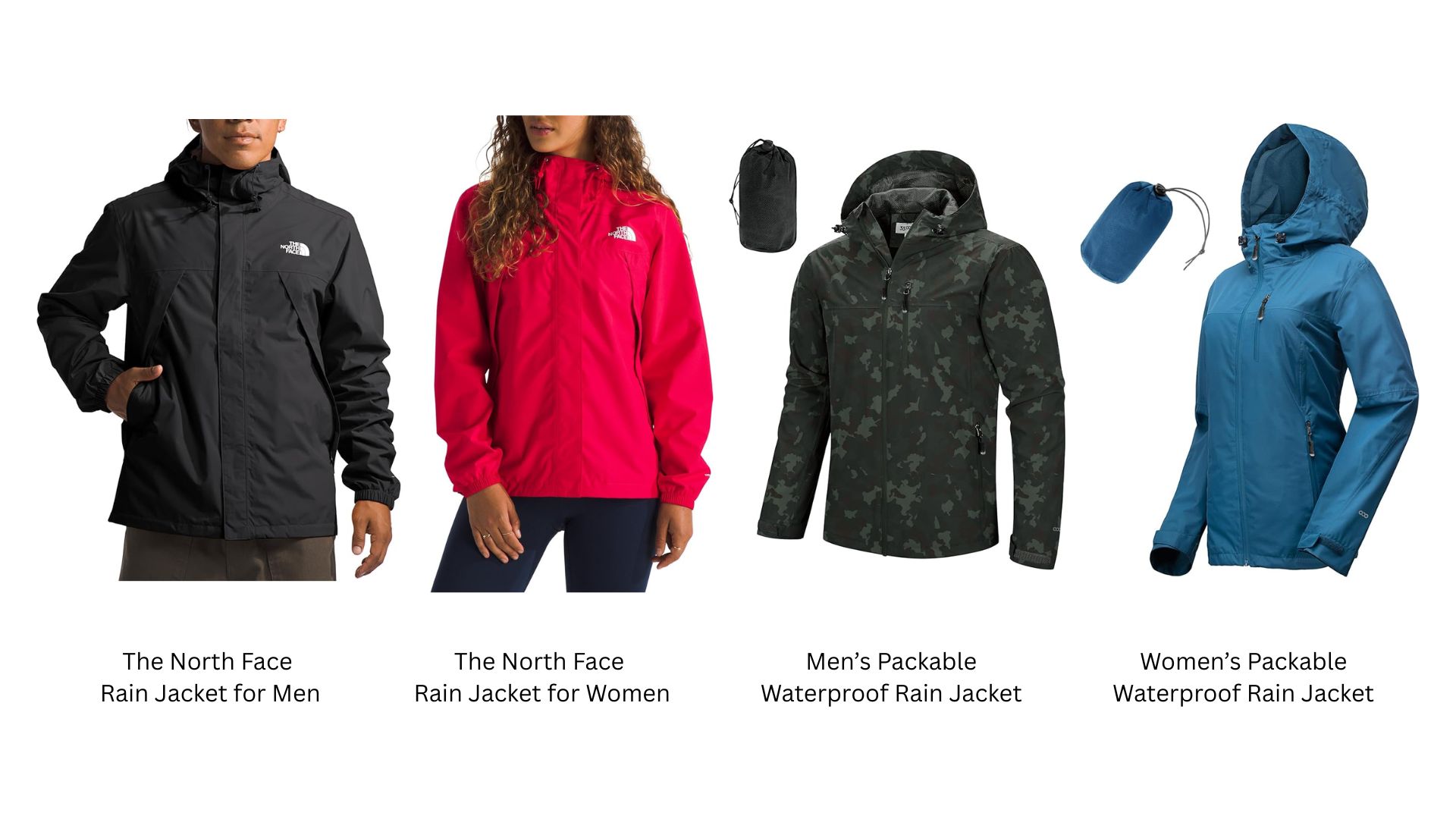
Left to right: The North Face Rain Jacket for Men, The North Face Rain Jacket for Women, Men’s Packable Waterproof Rain Jacket, Women’s Packable Waterproof Rain Jacket
Waterproof or Water-Resistant Shoes
Even if it’s not raining the day you’re in port, it will have probably rained recently, and there will be squishy mud and puddles to contend with. Whether you're an adventure seeker hiking remote trails or a comfort traveler on a bus tour, comfortable, waterproof, or water-resistant shoes are a must. There are many options for waterproof tennis shoes and boots from popular brands. If you want to look like a true Alaskan, grab some Xtratuf or Blundstone boots.
Snowboots are NOT recommended. If you take a glacier helicopter tour to walk on a glacier or enjoy dog sledding in the snow, wear comfortable, close-toed shoes. You will be given overboots that provide extra traction and are waterproof.
Our Waterproof / Water-Resistant Shoes Recommendations:
Premium Picks: Blundstone All Terrain Water Resistant Thermal Boots
Top Picks: Xtratuf Waterproof Ankle Deck Boots for Men and for Women
Value Picks: Columbia Waterproof Hiking Boots for Men and for Women
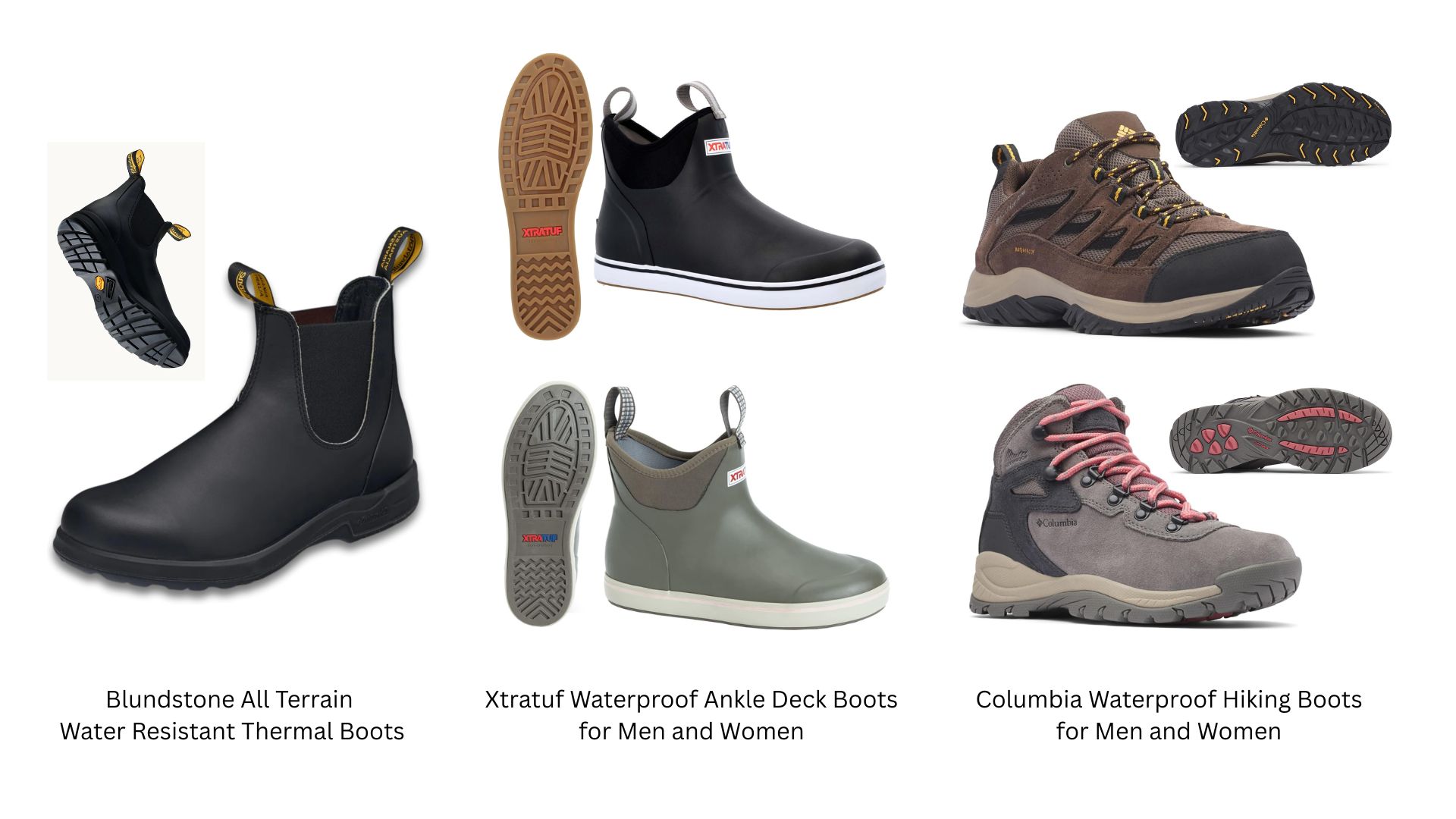
Left to right: Blundstone All Terrain Water Resistant Thermal Boots, Xtratuf Waterproof Ankle Deck Boots for Men and for Women, Columbia Waterproof Hiking Boots for Men and for Women
Winter Accessories - Gloves & Hats
Pack light winter gloves and a hat. You’ll want these for unseasonably cold days, for glacier tours, and when outside on the cruise.
Our Gloves & Hats Recommendations:
Gloves: Thermal Touchscreen Glove Liners
Hats: Carhartt Men's Warm Knit Beanie and Women's Winter Pom Pom Beanie for Cold & Windy Days
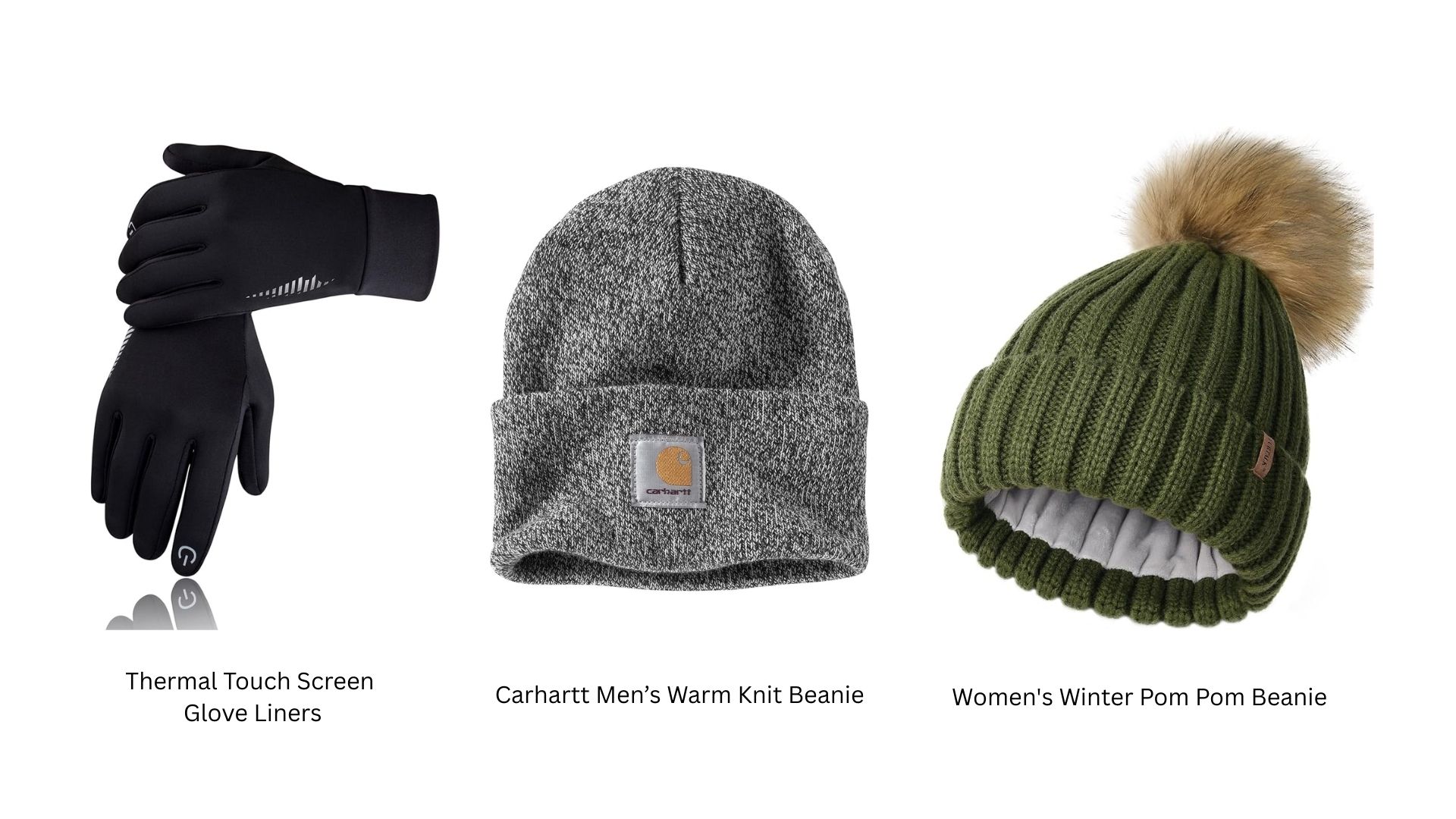
Left to right: Thermal Touchscreen Glove Liners, Carhartt Men's Warm Knit Beanie, Women's Winter Pom Pom Beanie
Sunscreen and Sunglasses
While Alaska isn’t known for having lots of sunshine, it’s still very wise to use sunscreen even on cloudy days! During the summer months, Alaska’s days last longer than most, and you might need your sunglasses as late as midnight, so don’t forget to pack those either!
Our Sunscreen & Sunglasses Recommendations:
Skin Protection: Neutrogena SPF 70+ Face Sunscreen for Outdoor Excursions and Rubber Ducky SPF 44 Lip Balm for Windy & Cold Conditions
Sunglasses: Polarized Sunglasses for Glacier & Water Reflections
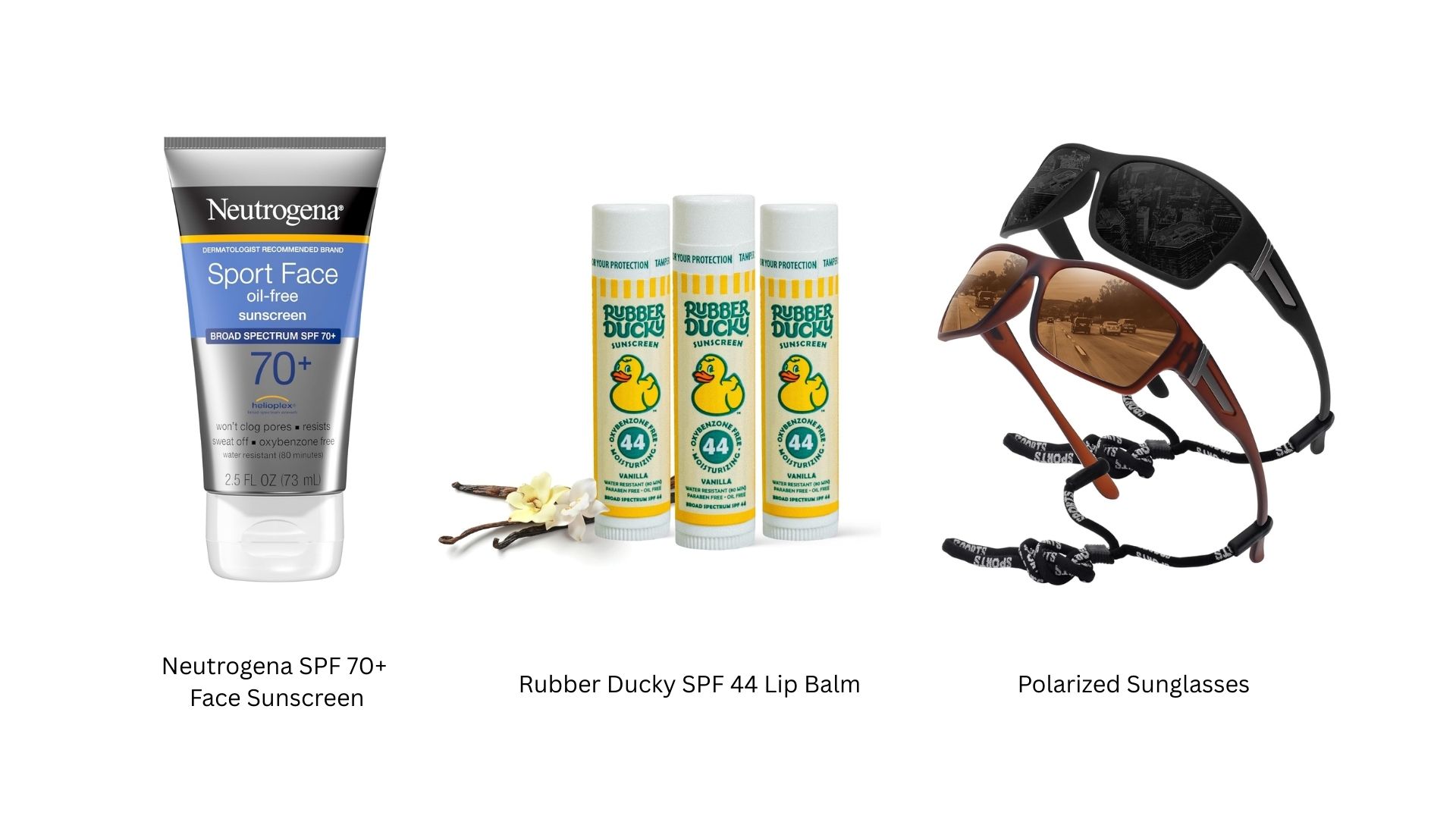
Left to right: Neutrogena SPF 70+ Face Sunscreen, Rubber Ducky SPF 44 Lip Balm, Polarized Sunglasses
Cellphone with Power Bank
For many travelers, their cell phone is essential for photography, navigation, and communication. If you have a standard U.S. carrier plan from a major provider like Verizon, AT&T, or T-Mobile, Alaska is considered part of the U.S. for cell service, so using your phone there typically doesn’t incur extra roaming charges beyond your regular plan fees. If you’ve booked an excursion with Alaska Shore Excursions, your tour provider will contact you by cellphone with any last-minute details.
In our experience, a day spent exploring Alaska’s charming towns and breathtaking natural scenery can drain your phone battery fast—especially when you’re snapping photos and sharing them with friends and family. We recommend packing a portable power bank when you leave the ship so you can stay charged all day and never miss a moment.
Our Power Bank Recommendations:
Top Picks: Belkin Portable Charger 20,000mAh for Cold Weather Fast Charging
Value Picks Anker Portable Power Bank 10,000mAh for Travel Friendly Fast Charging
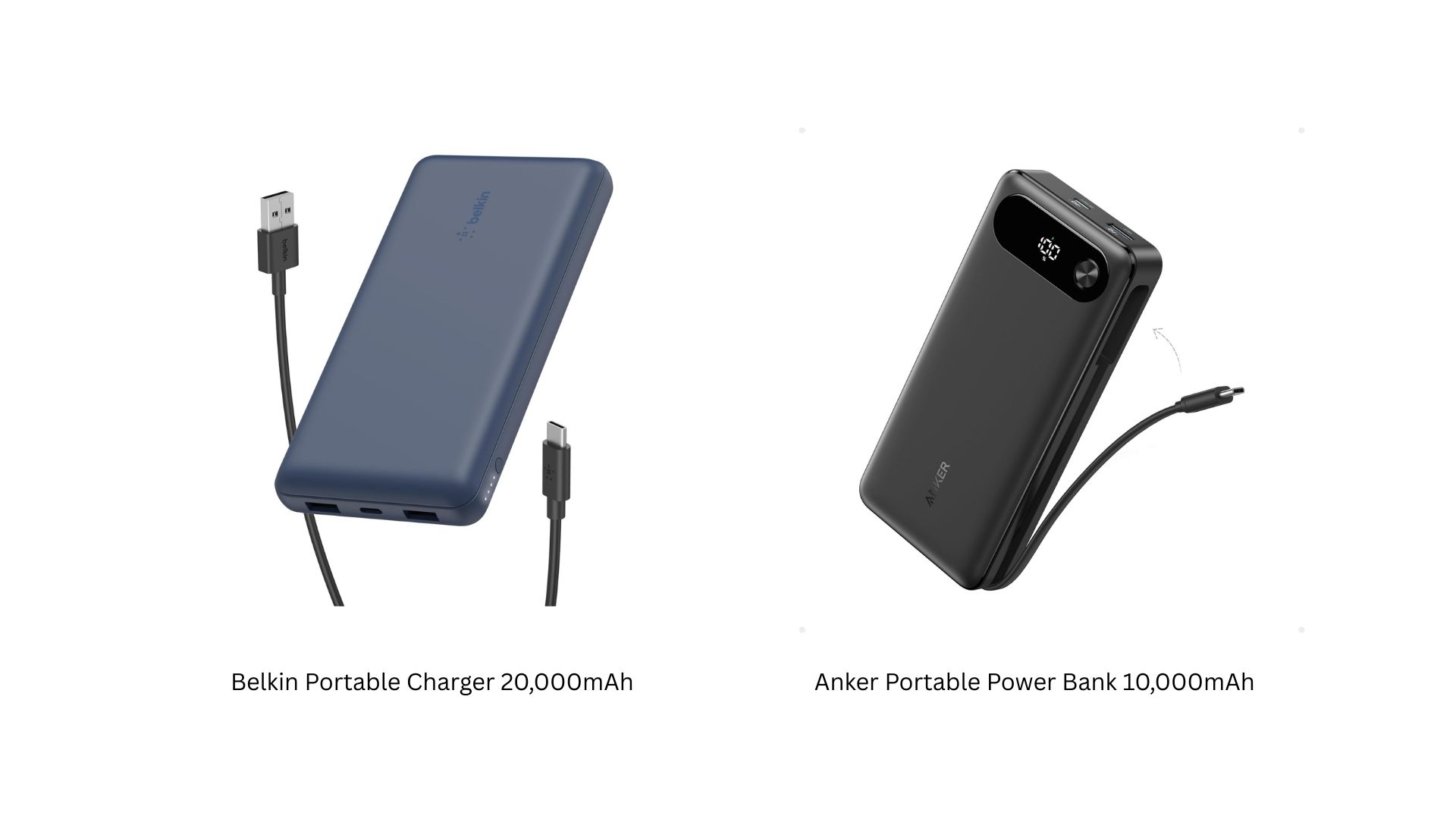
Left to right: Belkin Portable Charger 20,000mAh, Anker Portable Power Bank 10,000mAh
Backpack
Bring a backpack or another kind of hands-free tote to carry your things while in port. Most cruisers spend between 4 and 10 hours off their ship exploring each port and enjoying excursions. Carrying a raincoat, hat, sunglasses, power bank, etc., in a backpack saves you a trip back to your trip, plus you’ll have somewhere to carry souvenirs you may choose to bring home.
Our Backpack Recommendations:
Premium pick: Osprey Ultralight Waterproof Daypack for Hikes and Wet Conditions
Top Pick: Eddie Bauer Stowaway Packable Backpack for Shore Excursions
Value Pick: Lightweight Packable Daypack for Compact and easy to pack
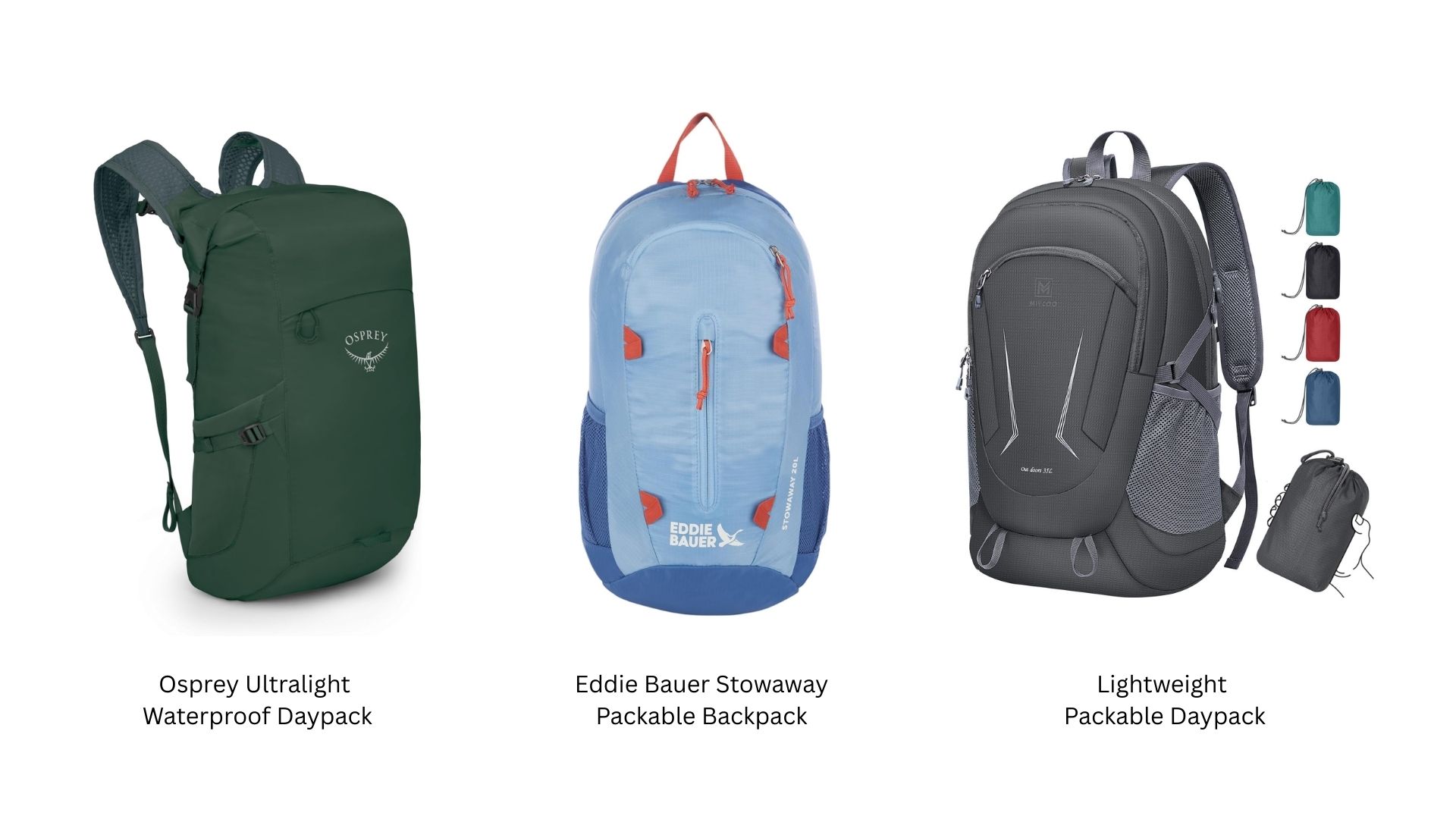
Left to right: Osprey Ultralight Waterproof Daypack, Eddie Bauer Stowaway Packable Backpack, Lightweight Packable Daypack
This post contains Amazon affiliate links, and we may earn a small commission on your purchase at no extra cost to you.